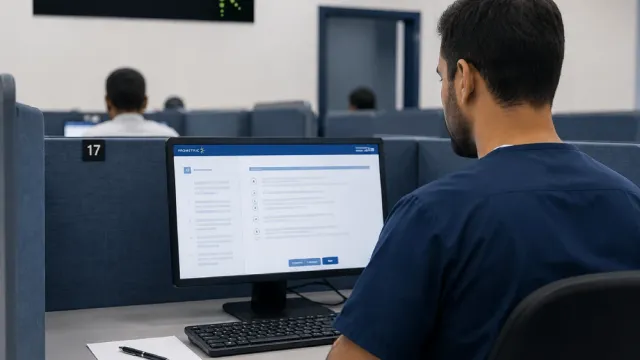

The Arab Board Exam, formally known as the certification from the Arab Board of Health Specialties (ABHS) or the Arab Council for Health Specialties, is a prestigious postgraduate medical qualification recognized across the Arab world. It signifies a high standard of medical competency and specialization, opening doors for physicians seeking advanced practice and career progression in various Arab countries. This guide provides comprehensive information on its registration, requirements, and exam structure for 2026.
What is the Arab Board Certification?
The Arab Board certification is a specialized qualification awarded to physicians who successfully complete rigorous training programs and pass qualifying examinations in various medical and surgical specialties. Established to unify and elevate healthcare standards in the Arab region, it is often a prerequisite for senior positions and independent practice in many Gulf Cooperation Council (GCC) countries and beyond.
Eligibility Requirements for Arab Board Examination
Eligibility criteria typically include:
- Medical Degree: A recognized Bachelor of Medicine, Bachelor of Surgery (MBBS) or equivalent from an accredited university.
- Internship: Completion of a mandatory internship year.
- Postgraduate Training: Completion of a structured postgraduate residency training program approved by the Arab Board in the desired specialty. The duration varies by specialty (typically 4-7 years).
- Logbook: Submission of a detailed logbook documenting clinical experience, procedures performed, and academic activities during residency.
- Recommendation Letters: Letters from supervisors and program directors.
- Valid Medical License: Current and unrestricted medical license from the country of practice.
- Language Proficiency: Proficiency in Arabic and English, as both may be used during examinations.
Specific requirements can vary slightly by specialty and the country where the training was conducted, so candidates should always consult the official ABHS guidelines for their chosen specialty.
Registration Process for the Arab Board Exams 2026
The registration process generally involves several key steps:
- Online Application: Physicians must typically create an account on the ABHS online portal and complete the application form.
- Document Submission: Upload all required documents, including medical degrees, transcripts, internship certificates, training certificates, logbooks, and identification.
- Application Review: The ABHS reviews applications for eligibility. This phase can take several weeks.
- Fee Payment: Pay the prescribed application and examination fees.
- Exam Scheduling: Eligible candidates will receive notifications regarding exam dates, venues, and specific instructions. For 2026 exams, it is crucial to monitor the ABHS website for updated schedules and deadlines, typically announced well in advance.
Exam Structure and Specialties
The Arab Board examinations are generally structured into two main parts:
- Part I (Primary/Written Exam): This usually covers basic sciences relevant to the specialty, clinical knowledge, and often includes multiple-choice questions (MCQs). Passing Part I is often a prerequisite for entering the final years of residency or taking Part II.
- Part II (Final/Clinical & Oral Exam): This is a comprehensive assessment of clinical skills, diagnostic abilities, management planning, and professional conduct. It typically involves clinical cases, structured oral examinations (SOEs), and practical components.
The Arab Board offers certifications in a wide range of medical and surgical specialties, including but not limited to Internal Medicine, Surgery, Pediatrics, Obstetrics and Gynecology, Anesthesia, Radiology, Ophthalmology, Psychiatry, and various sub-specialties. Each specialty has its own specific curriculum and examination blueprint.
Preparing for the Arab Board Exams
Effective preparation is crucial for success:
- Structured Training: Ensure your residency program aligns with Arab Board curriculum requirements.
- Study Resources: Utilize recommended textbooks, guidelines, and online resources relevant to your specialty.
- Past Papers & Mock Exams: Practice with previous exam papers and participate in mock examinations to familiarize yourself with the format and time constraints.
- Clinical Experience: Actively engage in diverse clinical experiences and maintain a detailed logbook of procedures and cases.
- Study Groups: Collaborating with peers can enhance understanding and provide motivation.
- Mentorship: Seek guidance from senior colleagues and consultants who have successfully passed the Arab Board exams.
The Arab Board certification is a significant milestone for physicians aiming for career excellence and recognition in the Arab world. Careful adherence to registration requirements, dedicated preparation, and a thorough understanding of the exam structure are key to achieving this esteemed qualification for the 2026 examination cycle and beyond.